Digital Marketing for Beginners: A Complete Step-by-Step Guide
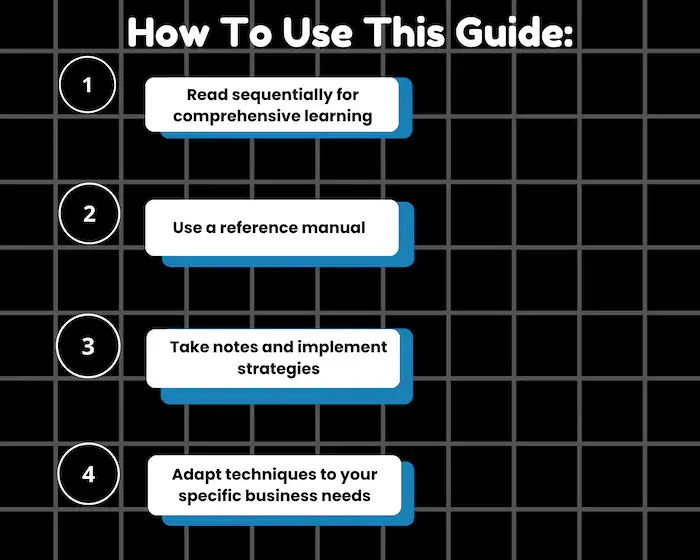
Learning Objectives of the Guide:
By the end of this comprehensive guide, you will:
1. Understand the fundamentals of digital marketing
2. Learn how to develop a strategic marketing approach
3. Visualize the effect of utilizing multiple digital marketing platforms
4. Avoid common beginner mistakes
5. Stay ahead of emerging digital marketing trends by gaining insider industry knowledge
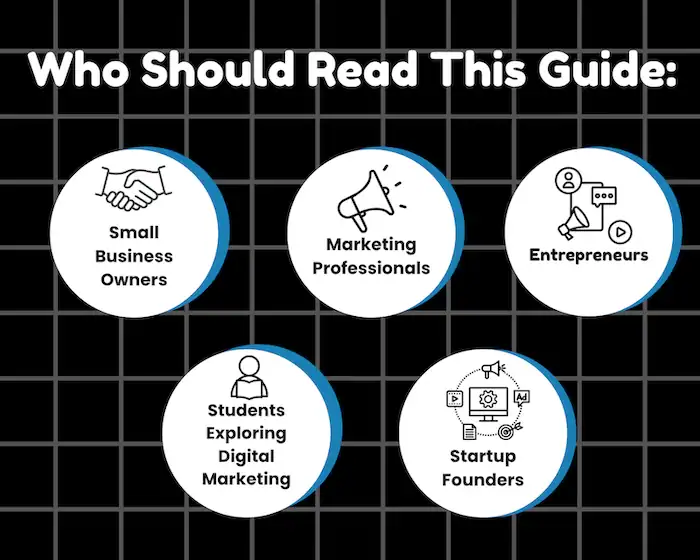
Starting your first digital marketing campaign can feel like standing at the edge of a cliff with a blindfold on.
You know everyone else is making money from Facebook ads and Google ad campaigns. But where do YOU even begin?
Reality is, digital marketing doesn’t have to be overwhelming or expensive to learn.
Whether you’re a small business owner trying to get more customers, a big brand, or someone looking to promote their side hustle, this guide will walk you through everything you need to know when it comes to digital marketing, “online ads”, and everything in between.
We’ll start with the absolute basics. Like what digital marketing actually is. Then we’ll take you all the way to launching your first profitable online marketing campaign.
No confusing tech talk. No thousand-dollar mistakes. Just a simple path that works.
This step-by-step guide turns beginners into confident online advertisers.
By the end, you’ll know exactly how to:
- Create digital ads that actually work
- Track what matters
- Avoid the costly mistakes that trip up most newcomers (that I’ve learned the hard way)
Well……Are you ready to learn what it takes to turn your marketing budget into real results?
Let’s dive in.
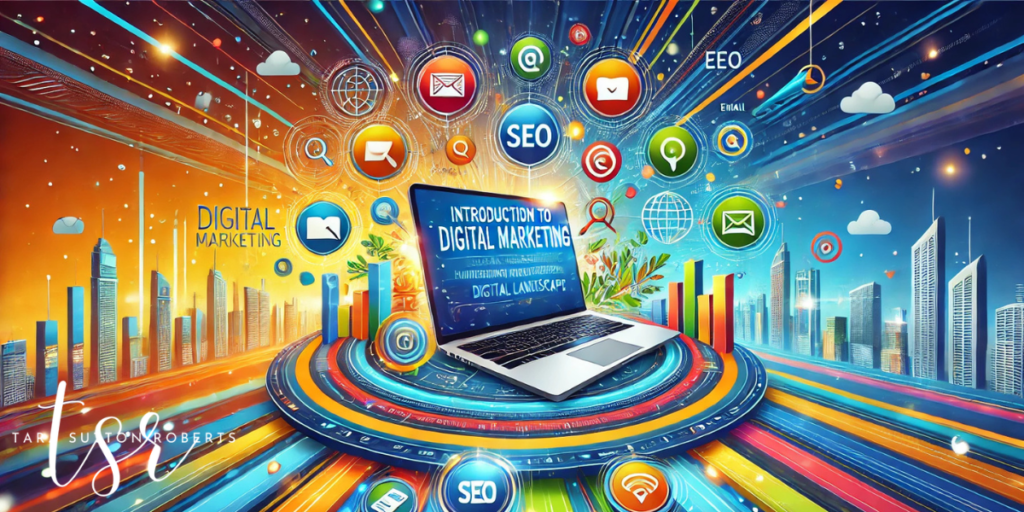
Introduction to Digital Marketing: Navigating the Digital Landscape
Digital marketing has revolutionized how businesses connect with their audience, transforming traditional marketing approaches in the internet age. This comprehensive guide will explore the fundamental concepts, strategies, and importance of digital marketing in today’s competitive business environment.
What is Digital Marketing?
“Textbook” Definition:
Digital marketing aka online marketing is the practice of delivering targeted promotional content (“ads”) through digital (“online”) channels, leveraging internet technologies to connect businesses (“brands”) with potential customers across multiple online platforms. Unlike traditional advertising, digital ads provide unmatched precision, interactivity, and measurability.
Digital marketing covers all marketing efforts that use digital channels to reach and engage potential customers. Unlike traditional marketing, which relies on print, television, and radio, digital marketing leverages online platforms like search engines, social media, emai marketingl, and websites to connect with current and prospective customers.
To put it simply….
Digital marketing is simply using the internet to connect with people who might want to buy what you’re selling.
Instead of putting up a billboard or running a TV commercial, you’re meeting customers where they already spend their time – online.
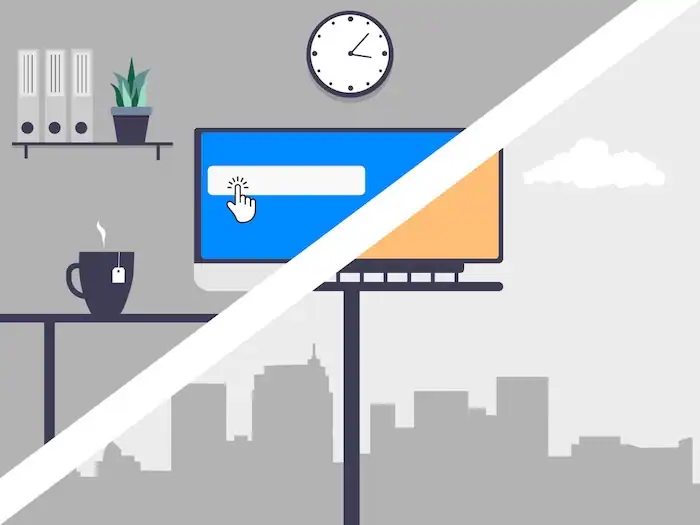
Think of it like running a neighborhood business, but your neighborhood is the entire internet. You still need to attract customers, build trust, provide value, and stay in touch. The tools are just different.
The best part? You can start small, test what works, and grow from there. You don’t need a huge budget or years of experience to see results.
Take my example of working at a low paying job you may have had as a teenager or young adult. For me it was a server at a college town neighborhood restaurant that had a cheap menu so tips weren’t big and neither were the college kids’ wallets but what drew those kids into the restaurant in the first place? Was it the location of the business because it was almost literally on campus just across the street? Most likely. Word of mouth also played a role considering the history of the business had been there since the 1970s, but I remember also seeing print ads in the school newspapers that included coupons for “bring a friend, and get a free drink or free appetizer”. These were all the same marketing methods I would be using later online with my own small business. I was using these same old school offline marketing tactics in my marketing services business and working with my own publication (this website)….the only true difference was the advertising was done online; the entire marketing presence was online. When you think about it…. the principles of marketing remain the same, the location has just changed.
The fundamentals boil down to four key areas that work together. First, you need to get found when people search for what you offer (that’s SEO and search engine marketing or SEM). Second, you want to build relationships through social media and email marketing so people remember you. Third, you create helpful content that shows you know what you’re talking about (Authority is important). And fourth, you can pay for ads to reach more people faster.
You could also think of it like running a neighborhood business, but your neighborhood is the entire internet. You still need to attract customers, build trust, provide value, and stay in touch. The tools are just different.
The best part? You can start small, test what works, and grow from there. You don’t need a huge marketing budget or years of experience to see results. You may need help learning the tricks of the trade from yours truly and I am happy to provide that information to you as we walk through the strategic marketing approach for your next campaign set up.
Importance in Modern Business
In today’s digital-first world, digital marketing has become:
– A critical component of marketing strategies
– A primary method of reaching target audiences
– An essential tool for business growth and brand awareness
– A flexible and adaptive marketing approach
Evolution of Digital Marketing
Digital marketing has transformed dramatically:
– 1990s: First banner display ads emerge for the first ever digital advertising experience
– Early 2000s: Google AdWords revolutionizes search advertising
– 2010s: Social media platforms become advertising powerhouses
– 2020s: AI and machine learning drive hyper-personalization
B. Why Digital Marketing Matters:
a. Two words: Reach and Targeting Capabilities
– You are able to access a global audience utilizing digital marketing unlike any of the traditional marketing models.
– You are able to implement Precision targeting based on:
* Demographics
* Interests
* Behaviors
* Geographic location
Whereas traditional marketing methods cannot leverage target audiences with the same level of detail as digital marketing. The majority of the time traditional marketing measurements are based on rough calculations and outdated data points. Digital marketing can precisely narrow down to your exact audience segment to include geographic location, common interests, common behaviors, and specific demographics. This is a key reason for the shift toward digital marketing strategies. The ability to hyper geo-target specific demographics is another compelling reason for advertisers to move to a more heavily digital ad budget.
Ability to reach niche markets – the hyper-ability to reach niche or even sub-niche markets is more efficient budget-wise rather than buying a space in a print ad that you can’t versatile enough with the same ad.
Cost-Effectiveness
Overall…I’d have to say as well as the majority of others…that in fact, digital marketing has lower cost entry barriers compared to traditional advertising and marketing overall. Digital marketing gives your overall marketing budget flexible options to stretch your campaign dollars over far more reach of an audience while getting down to specifics with where your money is directly going. The flexibility of marketing online can range from campaigns such as pay-per-performance models to scalable investment strategies.
Measurability and Tracking
When you take your business digital, you are able to measure and track in real-time performance metrics.
– Detailed analytics
– Conversion tracking
– ROI calculation
– Continuous optimization capabilities
BEST TOOL FOR MEASURING ROI……
LINK TO ARTICLE
**Disclaimer:** Digital marketing is an ever-evolving field. The strategies and insights provided are based on current best practices and should be continuously updated and refined.
Key Components of Digital Marketing
1. Search Engine Optimization (SEO)
SEO involves optimizing your online content to improve visibility in search engine results. By strategically using keywords, creating quality content, and building reputable backlinks, businesses can increase their organic traffic and improve their website’s ranking on platforms like Google.
2. Content Marketing
Content marketing focuses on creating and distributing valuable, relevant content to attract and retain a clearly defined audience. This can include blog posts, videos, podcasts, infographics, and social media content that provides genuine value to potential customers.
3. Social Media Marketing
Social media platforms like Facebook, Instagram, LinkedIn, and Twitter offer powerful tools for brand engagement. Businesses can build communities, share content, run targeted advertisements, and directly interact with their audience.
4. Email Marketing
Despite being one of the oldest digital marketing strategies, email marketing remains highly effective. By sending personalized, targeted emails, companies can nurture leads, promote products, and maintain customer relationships.
5. Pay-Per-Click (PPC) Advertising
PPC allows businesses to place ads on search engines and social media platforms, paying only when someone clicks on their advertisement. Google Ads and social media advertising platforms provide sophisticated targeting options to reach specific demographics.
Benefits of Digital Marketing
- Global Reach: Unlike traditional marketing, digital strategies can target audiences worldwide
- Cost-Effectiveness: Digital marketing often requires lower investment compared to traditional marketing
- Measurable Results: Advanced analytics provide real-time insights into campaign performance
- Personalization: Sophisticated targeting allows for highly customized marketing approaches
- Increased Engagement: Interactive digital platforms enable direct communication with customers
Common Mistakes Made by Beginners
You see successful businesses on Instagram, Facebook, TikTok, YouTube, and email marketing campaigns sent to your inbox, so you think you need to do it all. But spreading yourself too thin means you do everything poorly instead of one thing really well.
Another killer mistake? Not knowing who you’re actually talking to. You create content for “everyone” which means it connects with no one. Your 25-year-old fitness enthusiast and your 55-year-old busy mom have totally different problems and use different words to describe them.
Then there’s the “post and pray” approach. You put content out there and hope something happens. But you never track what’s working or why people aren’t buying.
Finally, most beginners quit way too early. They expect results in two weeks when digital marketing is more like planting seeds. Some grow fast, others take months to sprout. They also tend to wait until things are picture perfect but sometimes testing the waters is the best approach to digital marketing especially if you’re new to it.
The good news? Every successful marketer made these exact mistakes. The difference is learning from them instead of repeating them.
Getting Started with Digital Marketing
- Define clear marketing goals (use outlines and SPECS) specific, table
- Understand your target audience
- Choose appropriate digital channels: understand your true demographics of your target audience,
- Create high-quality, relevant content
- Continuously measure and optimize your strategies
Conclusion
Digital marketing is no longer optional but essential for businesses wanting to thrive in the digital age. By understanding and implementing effective digital marketing strategies, companies can enhance their online presence, engage with customers more meaningfully, and drive sustainable growth.
Ready to dive deeper into digital advertising? Subscribe to our newsletter for weekly marketing insights and strategies!

Hi I’m Tara! I’m a digital marketer who specializes in turning marketing budgets into measurable revenue. With over 15 years of experience managing campaigns for national, regional, and local clientele as well as “soloprenuers” for everything from the beverages industry to the banking industry, I’ve learned what actually drives conversions—and what’s just expensive noise. When not analyzing CAC ratios or optimizing funnels, you’ll find me breaking down the latest marketing tactics on my blog to help business owners stop guessing and start growing.